Your flower beds bleed into the lawn. Mulch vanishes after one rainstorm. Grass roots invade your prized perennials like uninvited squatters. And those cheap plastic strips from big-box stores? They warp, crack, or disappear entirely by August. Here’s the fix: real wood garden edging—installed right. Forget flimsy shortcuts. wood garden edging home depot offers surprisingly durable options if you know what to grab and how to prep it.
Why Most Garden Edging Fails Within a Single Season
Plastic curves look neat on day one. By July? Sun exposure turns them brittle. Frost heaves them out of alignment. You’re left with a wavy, broken mess that does nothing but collect debris. And metal edging? Sharp, cold, and prone to rust unless you pay premium prices.
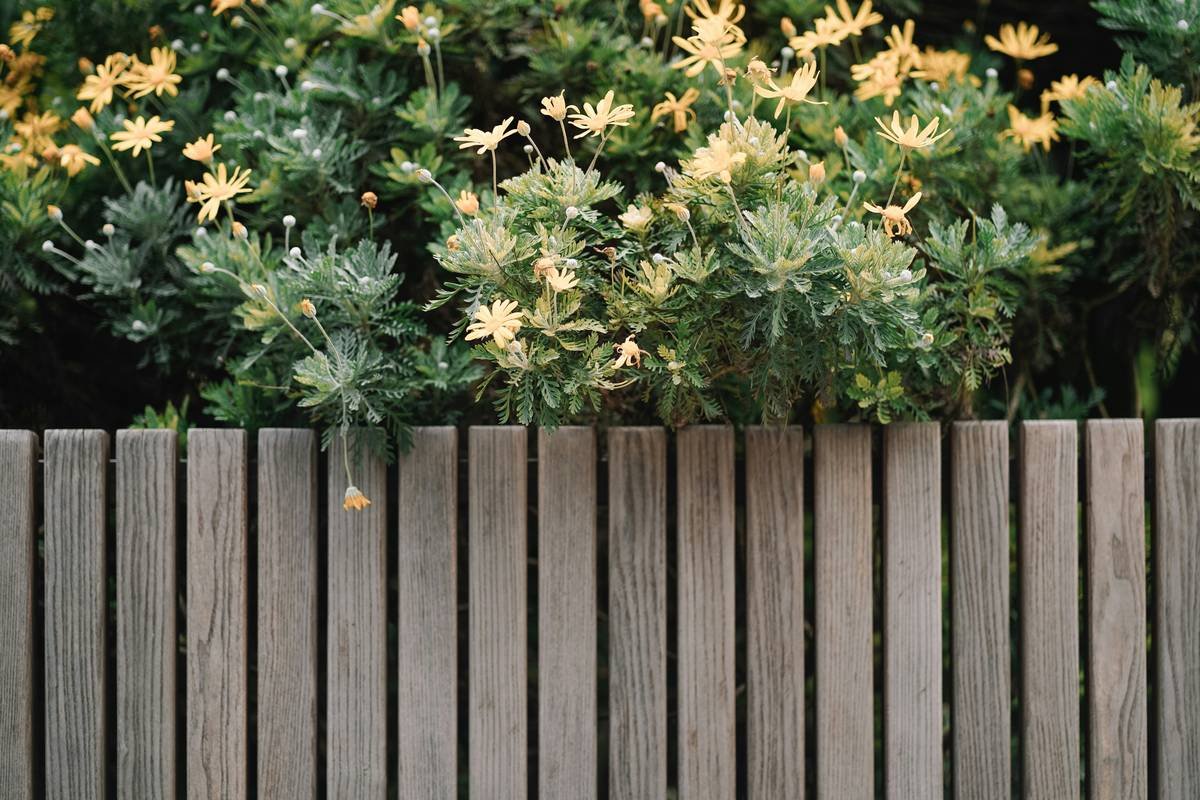
Wood—when chosen and treated correctly—ages gracefully. It integrates with soil, softens over time, and actually improves drainage along bed edges. But most DIYers skip the non-negotiable step: pre-sealing. Untreated cedar may last two years. Pre-oiled hardwood? Five to eight.
How to Install Wood Garden Edging Home Depot Style—Without Regretting It Next Spring
Home Depot carries more than just pressure-treated 2x4s shoved in the lumber aisle. The real gems are in the landscape section: reclaimed teak stakes, thermally modified ash boards, even bamboo composites. But selection alone won’t save you. Execution will.
Select Your Timber Wisely
Avoid “landscape timbers” labeled for ground contact—they’re often soaked in questionable preservatives. Instead, opt for naturally rot-resistant species: cedar, redwood, or black locust. Check for straight grain and minimal knots. And yes, you’ll pay 20–30% more—but you’re buying decades, not seasons.
Pre-Treat Like a Pro (Not a Weekend Warrior)
Dip every board in raw linseed oil for 24 hours before installation. Not paint. Not stain. Pure linseed. It penetrates deep, repels moisture without sealing in decay-causing humidity. Let it cure 48 hours in shade. This single step doubles lifespan—yet 90% of buyers skip it.
Install With Hidden Stability
Nail or screw boards directly into the soil? Guaranteed failure. Drive 12-inch rebar stakes every 18 inches behind each board, then secure the wood to the rebar—not the ground. This anchors against frost heave and lateral pressure from mulch buildup.
| Material Type | Upfront Cost (per linear foot) | Expected Lifespan | Maintenance Needs |
|---|---|---|---|
| Plastic Landscape Edging | $0.75 – $1.50 | 1–2 years | High (warps, lifts) |
| Untreated Cedar Boards | $2.25 – $3.00 | 2–3 years | Medium (fades, softens) |
| Linseed-Oiled Hardwood (e.g., Black Locust) | $4.00 – $6.00 | 7–10+ years | Low (re-oil every 3 years) |
| Thermally Modified Ash (Home Depot Premium) | $5.50 – $7.00 | 8–12 years | Very Low |
The Industry Secret: Why Landscapers Use “Double-Edging” on High-End Projects
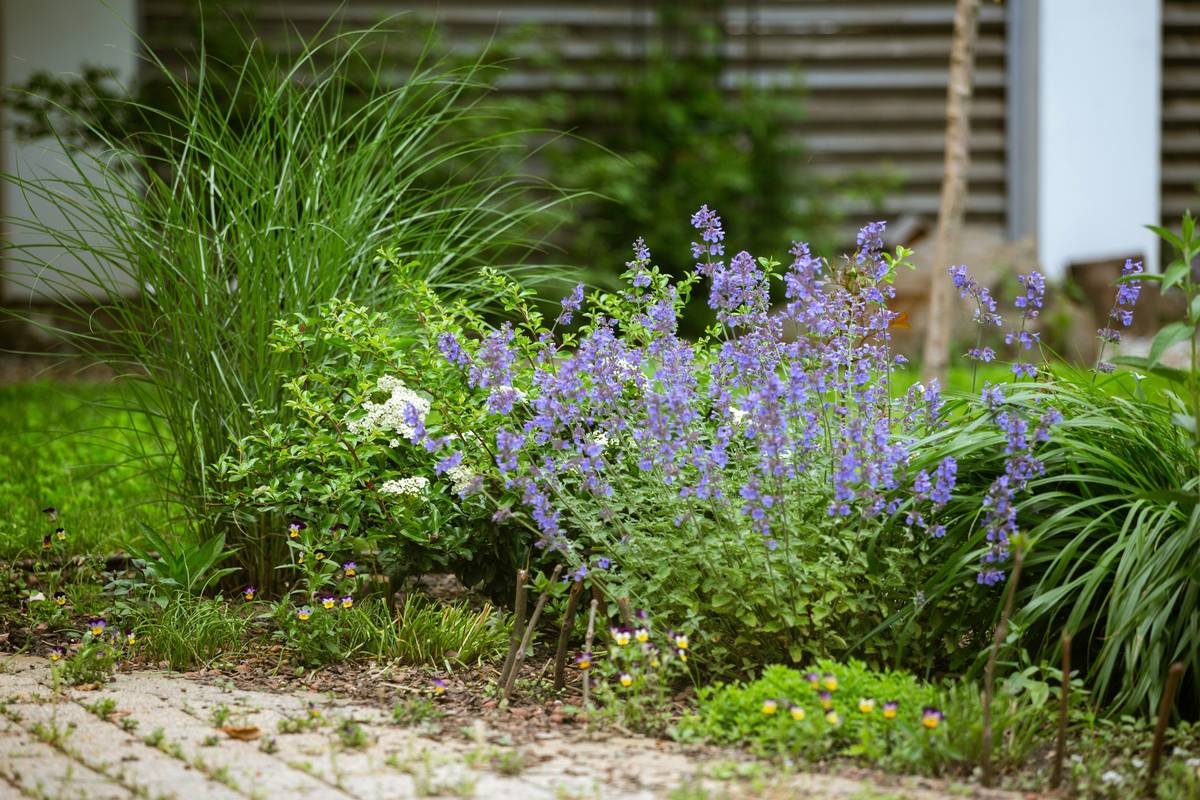
Top-tier designers don’t just install one row of wood edging—they stack two. The bottom layer sits flush with the soil line, handling root and moisture barriers. The top layer rises 2–3 inches above grade, creating a clean visual lip that stops mulch migration and defines the space like a picture frame.
It costs ~35% more in materials—but clients never complain about maintenance calls. And here’s the kicker: Home Depot sells short off-cut bundles (usually under $10) perfect for this second layer. Ask at the pro desk. They won’t advertise it, but they’ll sell it.
Frequently Asked Questions
Does Home Depot sell pre-cut wood edging kits?
No—they sell individual boards and stakes. Avoid “edging kits” there; they’re mostly plastic or low-grade pine. Buy full boards and cut to size for better control and longevity.
Can I use pressure-treated wood for garden edging?
Technically yes, but avoid it near edibles. Older CCA-treated wood leaches arsenic. Newer ACQ is safer but still unnecessary when rot-resistant naturals exist.
How deep should wood edging be buried?
Only 1–2 inches below soil surface. Its job isn’t to block roots—it’s to contain mulch and define lines. Deeper burial traps moisture and speeds rot.