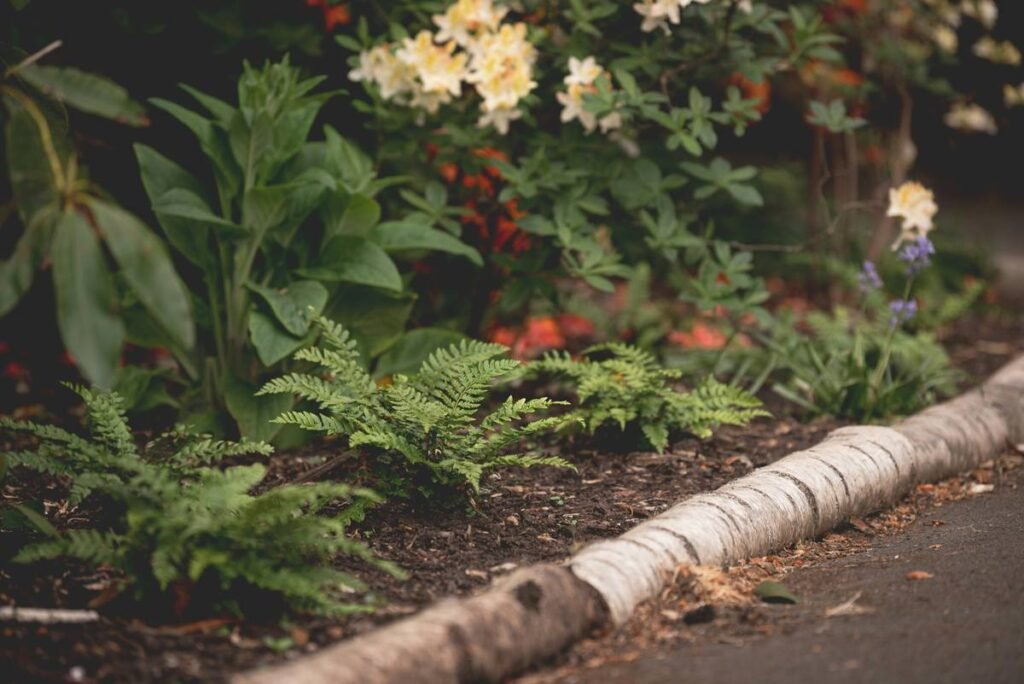
Your garden looks messy. Grass creeps into flower beds. Mulch spills onto the lawn. You’ve tried cheap plastic strips—they buckle, fade, or vanish after one season. It’s frustrating. And honestly, it makes your whole yard look neglected. But there’s a better way—especially if you’re shopping at a place like Home Depot for decorative garden edging home depot solutions that actually last.
Why Most Garden Edging Fails Within a Year
Plastic. Flimsy metal. Thin rubber. They all promise crisp lines—but deliver chaos. UV rays warp them. Freeze-thaw cycles crack them. And let’s be real: most homeowners install them wrong—too shallow, no anchoring, zero overlap. The result? Gaps. Weeds. A wavy, sinking mess by June. And you’re back at square one—again.
Home Depot carries dozens of options. But 80% are decorative only—no structural integrity. Looks great on the shelf. Disappears in your soil.
How to Choose & Install Decorative Garden Edging Home Depot Style—Right
Forget “just dig a trench.” Precision matters. Material choice matters more. Here’s how to do it once—and never redo it.
Step 1: Match Material to Your Climate and Soil
Clay-heavy ground? Avoid brittle concrete pavers—they’ll heave. Sandy soil? Skip lightweight plastics—they float away after heavy rain. In colder zones, flexible steel or recycled composite holds up best. Hot, dry climates? Powder-coated aluminum resists warping.
Step 2: Dig Deeper Than You Think
Four inches isn’t enough. Go 6–8 inches deep. And slope the trench slightly outward—so water drains away from your bed, not into it. This tiny tweak prevents rot, erosion, and edging lift.
Step 3: Anchor Every Section
Even interlocking systems need stakes. Use galvanized or stainless pins every 18 inches. Miss this? Wind, foot traffic, or even aggressive ivy can dislodge entire runs overnight.

| Material Type | Avg. Cost per Foot (Home Depot) | Lifespan | Best For |
|---|---|---|---|
| Recycled Plastic Composite | $2.50–$4.00 | 10–15 years | Curved beds, eco-conscious yards |
| Powder-Coated Steel | $3.75–$5.50 | 12+ years | Modern designs, high-traffic zones |
| Concrete Landscape Edgers | $4.00–$6.50 | 20+ years | Traditional gardens, permanent borders |
| Flexible Rubber Strips | $1.25–$2.00 | 3–5 years | Temporary fixes, budget trials |

The Industry Secret No One Talks About
Here’s what big-box stores won’t tell you: the prettiest edging often performs worst long-term. That glossy white polymer trim? It reflects heat—baking adjacent plants’ roots. The sleek black metal? Absorbs so much solar energy it can raise soil temps by 8–10°F, stressing delicate perennials. And those “natural stone” veneers? Hollow cores trap moisture, inviting mold between layers.
The truth? Function first. Choose based on thermal stability, not just curb appeal. A matte-finish composite might look less flashy—but it keeps your soil cooler, your plants healthier, and your edges intact for over a decade. Sacrifice a little glamour for real performance. Your garden will thank you.
Frequently Asked Questions
Does Home Depot carry curved decorative garden edging?
Yes—look for flexible options like EverEdge Pro or Dimex EasyFlex. They bend up to 90° and hold shape once staked. Avoid rigid materials if your beds aren’t straight.
How deep should decorative garden edging be buried?
Bury at least 6 inches, with 1–2 inches above ground to block mulch spill. Shallow installs fail within months due to frost heave and root pressure.
Can I install edging over existing grass?
No. Remove sod along the border line first. Installing over grass invites weeds, uneven settling, and hidden decay beneath the edging—leading to collapse.