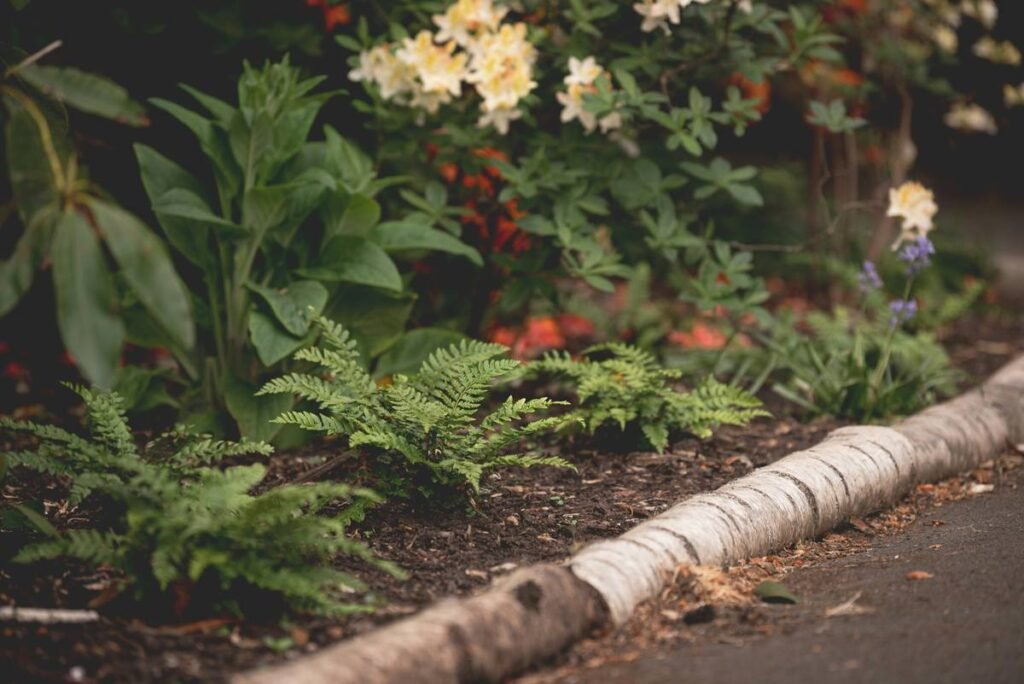
You spent Saturday wrestling plastic strips into crooked lines—only to watch them buckle under mulch by July. Now your “crisp” border looks like a toddler’s doodle. And you paid good money for that mess. The truth? Most garden edging home depot sells is built for speed, not longevity. But there’s a smarter way—one that lasts years, not seasons.
The Core Problem: Why Off-the-Shelf Edging Fails
Big-box retailers optimize for shelf appeal—not backyard resilience. That glossy metal coil or flimsy recycled plastic? It warps in heat, cracks in cold, and shifts with every heavy rain. You’re not lazy; the product’s engineered wrong. Landscape pros know this but won’t tell you—they bill hourly to fix it later.
How to Install Garden Edging That Actually Lasts
Forget snapping together pre-cut kits. Real durability starts with material choice and edge depth—not just how it looks on day one.
Select Based on Soil & Slope, Not Aesthetics Alone
Clay-heavy yards need rigid materials—stone, concrete, or thick aluminum. Sandy or sloped plots demand interlocking systems that resist lateral pressure. A curved path? Flexible steel or poured concrete edges outperform brittle pavers.
Dig Deeper Than You Think
Most DIYers bury edging 2–3 inches. That’s why it heaves. Go at least 6 inches down in temperate zones—8 if you freeze hard. And backfill with coarse sand, not native soil. Compaction = movement.
Anchor Every 18 Inches—No Exceptions
Even “no-dig” spikes fail long-term without supplemental anchoring. Use rebar pins or galvanized brackets in high-traffic zones. Skip this and you’ll redo it next spring.
| Material Type | Avg. Cost per Linear Foot | Lifespan (Years) | Ideal For |
|---|---|---|---|
| Plastic Coil (Home Depot Standard) | $1.20 | 1–2 | Rental yards, temporary beds |
| Aluminum Landscape Edging | $3.50 | 10+ | Curved beds, perennial gardens |
| Concrete Mow Strip | $6.00 | 20+ | High-traffic lawns, formal layouts |
| Natural Stone Stack | $8.75 | 30+ | Slopes, rustic aesthetics |

The Industry Secret: Edging Isn’t About Separation—It’s About Containment
Here’s what no showroom sign tells you: the real purpose of edging isn’t to “define” your flower bed—it’s to contain mulch migration and root invasion. And most consumer-grade products fail that core function within months. Pros use dual-layer systems: a buried barrier (like commercial-grade fabric) beneath visible edging. That combo stops Bermuda grass and wood chips from spilling over. You won’t find that setup at garden edging home depot aisles—but you can build it yourself with parts from plumbing and hardware sections.
Frequently Asked Questions
Does Home Depot carry aluminum garden edging?
Yes—but only basic rolls in limited finishes. Their selection lacks commercial-grade thickness (under 0.062”). For lasting results, upgrade online or at specialty landscape suppliers.
How deep should garden edging be installed?
At least 6 inches in most climates. In zones with frost heave, go 8–10 inches. The top should sit 0.5–1 inch above soil to prevent mower scalping.
Can I install edging without digging a trench?
Only for very light-duty use. “No-dig” spikes work temporarily on flat ground—but expect shifting within a year. Real stability requires excavation and proper backfill.