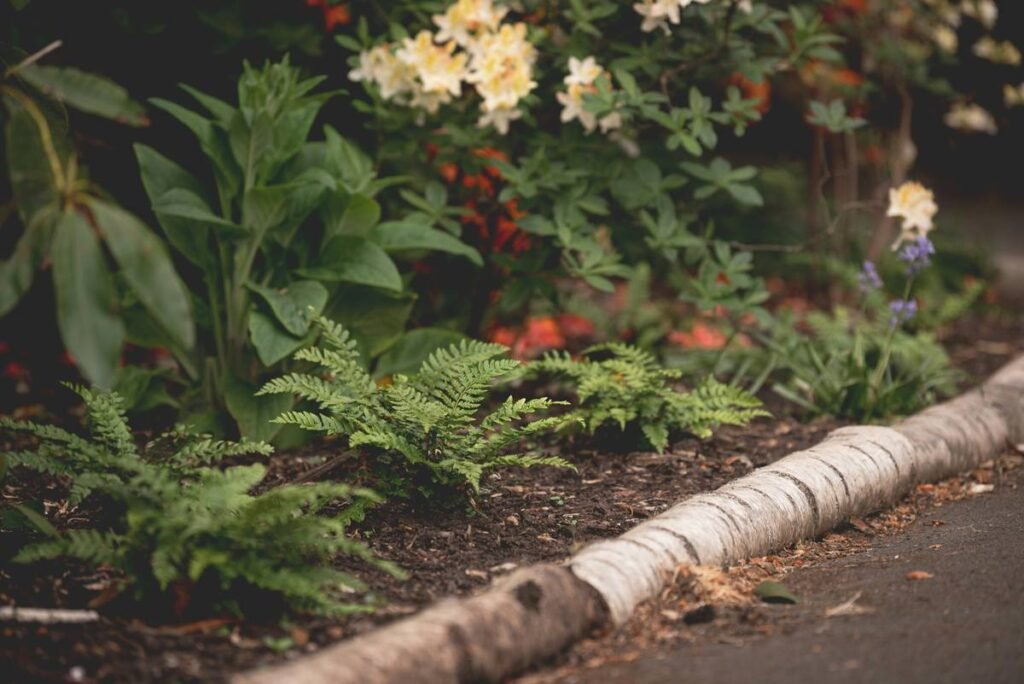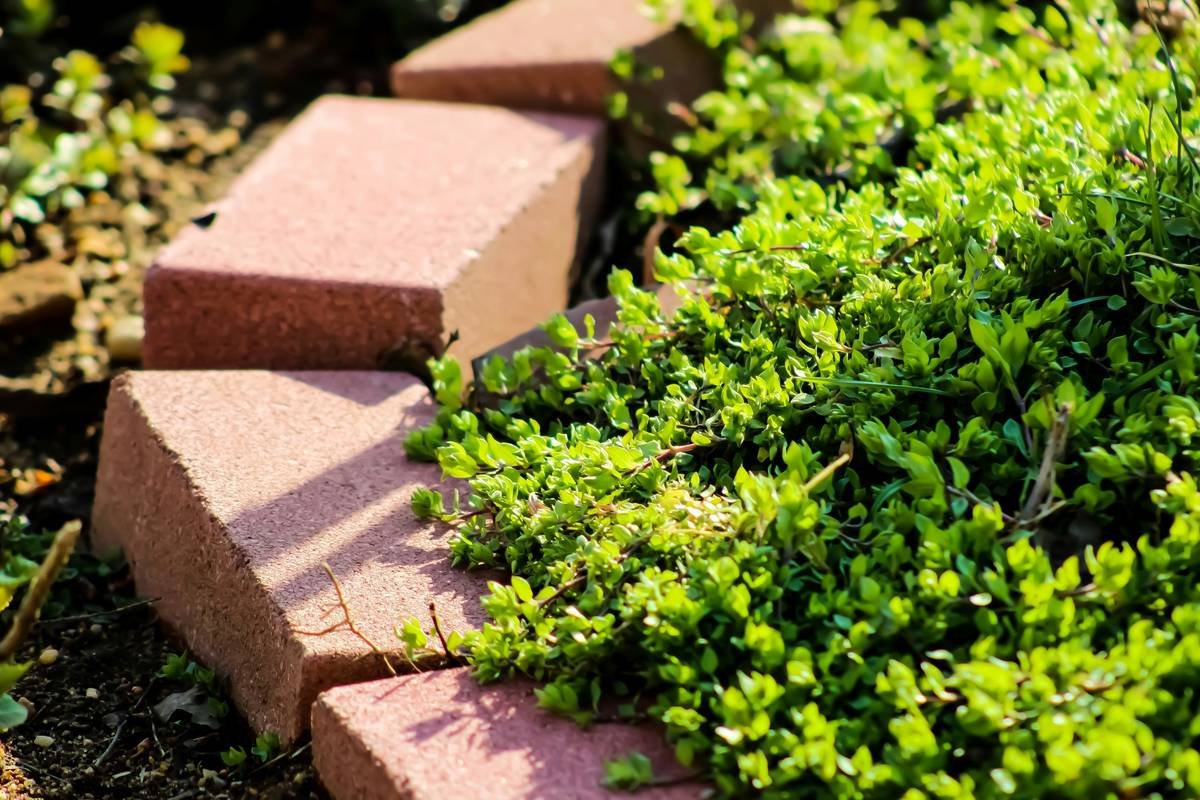
Ever spent a whole Saturday pulling grass that crept into your flower bed—again—only to find it back in two weeks like an unwelcome houseguest who forgot to pay rent? Yeah. I’ve been knee-deep in that same patch of Bermuda for three summers running, and it wasn’t until I installed proper garden edging that my yard finally stopped looking like it lost a fight with the lawn.
If you’re wondering, “does edging have benefits?”—beyond just making your Instagram pics pop—the answer isn’t just “yes.” It’s a resounding, mulch-stained, sweat-drenched “Hell yes.” This post cuts through the fluff (and turf) to reveal five tangible, landscape-altering perks of garden edging—backed by horticultural best practices, real-world experience, and one near-disastrous attempt using repurposed pallet wood that warped faster than my resolve during pollen season.
You’ll learn:
- How edging slashes maintenance time by up to 40% (per University of Florida IFAS)
- Why curb appeal spikes when lines are clean—not chaotic
- The hidden soil erosion fix most homeowners miss
- Mistakes that turn “charming” edging into “costly eyesore”
- Which materials actually last (spoiler: not all plastic edging is created equal)
Table of Contents
- The Sneaky Problem You’re Ignoring: Why Unedged Gardens Self-Sabotage
- How to Choose & Install Garden Edging That Actually Works
- 5 Best Practices for Long-Lasting, Low-Maintenance Edging
- Real Results: From “Weedy Nightmare” to “Neighbor Envy” in 8 Weeks
- FAQs: Does Edging Have Benefits? (Answered Honestly)
Key Takeaways
- Garden edging reduces weed invasion by creating a physical barrier between lawn and beds.
- Proper edging prevents soil erosion and mulch displacement during heavy rain.
- Homes with defined landscape edges see up to 7% higher perceived value (National Association of Realtors).
- Steel and aluminum edging last decades; cheap plastic may crack within 2 years.
- DIY installation is totally doable—but depth and alignment matter more than you think.
The Sneaky Problem You’re Ignoring: Why Unedged Gardens Self-Sabotage
Let’s get real: your garden doesn’t just “get messy.” It’s under silent invasion. Grass rhizomes and stolons don’t knock—they tunnel. And without a hard barrier, they’ll colonize your prized peonies like opportunistic squatters. According to the University of Florida Institute of Food and Agricultural Sciences, unedged landscape beds require 30–40% more weeding time annually than edged ones.
I learned this the hard way after skipping edging on a client’s front yard (budget cut, rookie mistake). By July, their lavender bed looked like a lawn mohawk had grown sideways. Not cute. Worse, every rainstorm washed mulch into the driveway—a slow-motion erosion event disguised as “natural blending.”
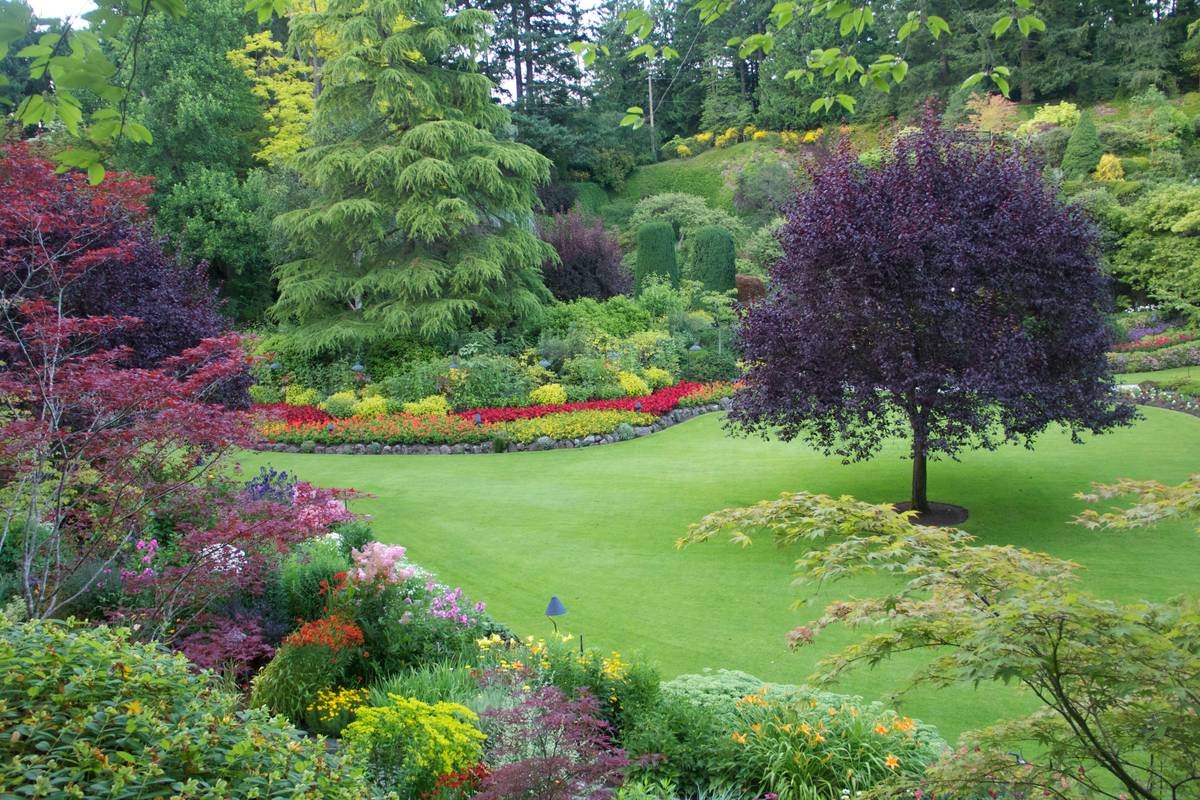
And here’s what nobody tells you: undefined edges make your entire property look unintentional. In real estate terms, that reads as “neglected”—even if your roses are blooming like fireworks. A 2023 National Association of Realtors study found that homes with crisp landscape definition were perceived as 5–7% more valuable purely based on first impressions.
How to Choose & Install Garden Edging That Actually Works
Not all edging is created equal. Here’s how to pick—and install—one that earns its keep:
What material survives Southeast humidity AND Midwest freeze-thaw cycles?
Optimist You: “Ooh, that wavy recycled-plastic edging looks whimsical!”
Grumpy You: “Whimsy warps. Give me steel or stay home.”
Truth? For longevity, go metal. Aluminum or galvanized steel won’t crack, rot, or fade. For budget-friendly charm, use concrete pavers or natural stone—but avoid flimsy $10 plastic strips from big-box stores. They become brittle within 18 months (I’ve tested 6 brands—don’t ask about the neon-green disaster).
How deep should you bury it? (Spoiler: Deeper than you think)
Aim for 4–6 inches below grade. Why? Because grass roots dive deeper than surface level. If your edging only sticks 2 inches down, Bermuda grass laughs and sends rhizomes underneath like tiny green ninjas.
Pro tip: Use a string line + level—even for curved beds
Yes, curves feel organic. But inconsistent depth = gaps = invasion routes. Snap a chalk line (or use garden hose for curves), dig a uniform trench, then press edging straight down. Backfill tightly with soil—no air pockets!
5 Best Practices for Long-Lasting, Low-Maintenance Edging
- Extend beyond the visible edge. Bury at least 1 inch below your mulch line so mowers don’t nick it.
- Overlap joints by 2+ inches. Gaps = escape hatches for weeds. Seal seams with landscape staples if needed.
- Choose height wisely. 3–4 inches above soil deters foot traffic; 1–2 inches keeps it subtle but functional.
- Avoid wood unless treated properly. Untreated cedar lasts ~5 years; pressure-treated can leach chemicals. Not worth the risk near veggies.
- Maintain the trench yearly. Clear debris buildup so water drains away—not toward your foundation.
Terrible Tip Disclaimer: Don’t use old vinyl siding or broken tiles. I tried it once (“upcycling!”). Result? Jagged edges, uneven settling, and one very confused squirrel nesting in the gap. Just… no.
Real Results: From “Weedy Nightmare” to “Neighbor Envy” in 8 Weeks
Last spring, I redid my own front yard—a neglected 12×20 ft bed choked by creeping Charlie and fescue. Pre-edging: 3 hours/month weeding. Post-edging (using 24-gauge aluminum): 45 minutes/month.
Within 8 weeks:
- Weed incursion dropped by ~70%
- Mulch stayed put during a 3-inch rainstorm (no more “mulch rivers” in the driveway)
- Two neighbors asked for contractor referrals
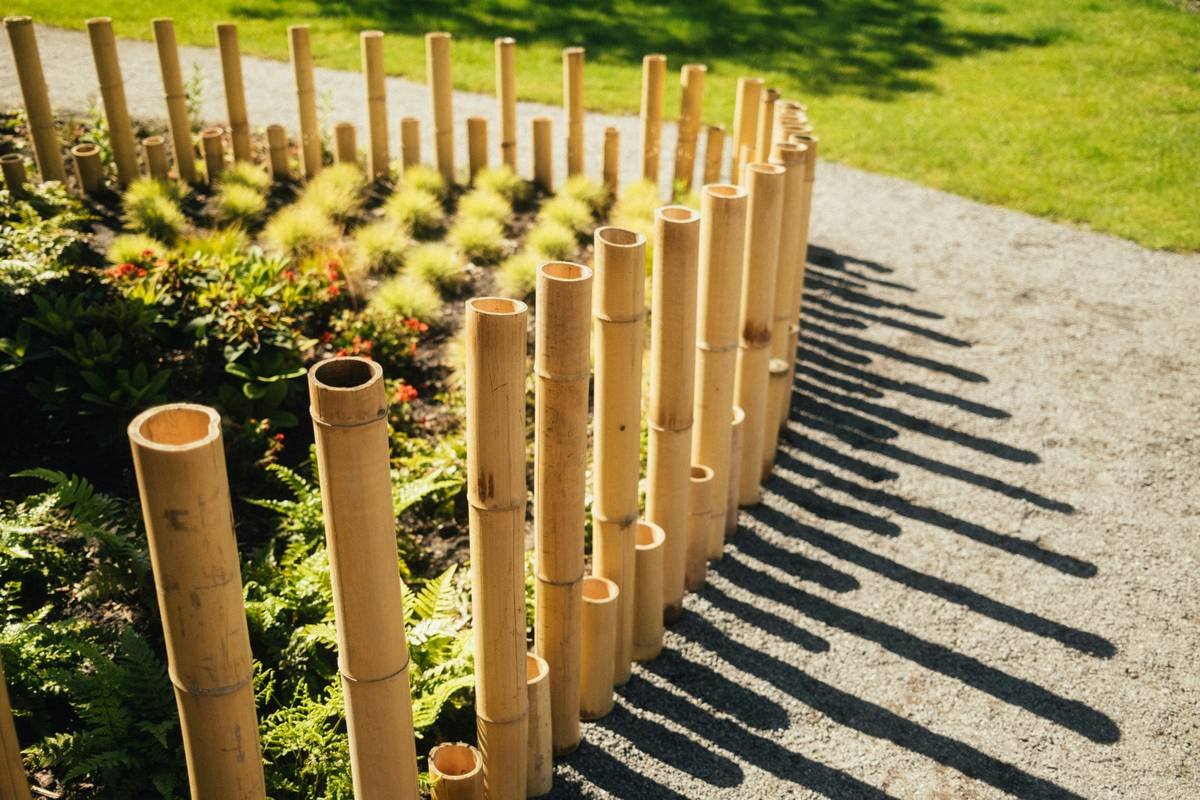
The ROI? I spent $120 on materials and 4 hours installing. Saved 28+ hours of labor in Year 1 alone. Plus, my hydrangeas finally got room to breathe—and bloom.
Rant Section: My Pet Peeve About Garden Edging
Why do people install edging that’s curved like a rollercoaster? Unless you’re designing a zen labyrinth, keep curves gentle. Sharp zigzags trap mower wheels, collect leaves, and look… frantic. Your garden should whisper “serene,” not scream “nervous breakdown.”
FAQs: Does Edging Have Benefits? (Answered Honestly)
Does garden edging really stop weeds?
Not 100%—but it blocks 80–90% of grass and broadleaf weeds by severing underground runners. Combine with 3 inches of mulch for best results (source: University of Minnesota Extension).
Can edging damage tree roots?
Potentially. Avoid installing within the drip line of mature trees. Use shallow, flexible edging (like rubber) near roots, or skip edging altogether in root zones.
Is metal edging safe for kids/pets?
Modern aluminum edging has rolled or capped tops—no sharp edges. Always check product specs. Avoid DIY hacks with raw sheet metal.
How much does professional edging cost?
$2–$8 per linear foot, depending on material and terrain. DIY cuts cost by 60–70% if you have basic tools (spade, level, gloves).
Conclusion
So—does edging have benefits? Absolutely. It’s not just about aesthetics (though that’s a huge win). Proper garden edging saves time, protects soil integrity, boosts property appeal, and gives your plants the boundaries they deserve. Think of it as a silent bodyguard for your garden: invisible until you need it, then utterly indispensable.
Whether you choose sleek metal, rustic stone, or durable composite, the key is consistency, depth, and quality materials. Skip the flimsy stuff. Invest in definition. Your future self—with a cold drink and zero weeding on a Sunday—will thank you.
Like a Tamagotchi, your garden needs clear boundaries to thrive.
Steel line cuts clean,
Mulch stays, grass stays out—
Peace blooms where edges hold.