Ever stared at your postage-stamp front yard and thought, “How do I make this look intentional—not accidental?” You’re not alone. Over 62% of new single-family homes built in 2023 sit on lots under 8,000 sq ft—meaning millions of us are wrestling with tight outdoor spaces that demand smart design, not just shrubs shoved into corners.
If your garden edging currently looks like a failed science experiment (I once used cracked ceramic tiles held together by hope and duct tape—RIP curb appeal), this guide is your rescue rope. We’ll cover:
- Why proper edging isn’t just decorative—it’s structural
- 7 budget-friendly, scalable edging designs for tiny front yards
- Mistakes that make small spaces feel even smaller (and how to avoid them)
- Real before-and-after transformations from my own client projects
No fluff. No “just add mulch” nonsense. Just battle-tested, human-first strategies that actually work when every inch counts.
Table of Contents
- Why Edging Matters More in Small Yards
- Step-by-Step: Choosing & Installing Your Edging Design
- 5 Pro Tips for Flawless Small-Yard Edging
- Real Examples: From Drab to Dazzling
- FAQs About Edging Designs of Small Front Yard
Key Takeaways
- Edging defines space visually and physically—critical in compact yards where boundaries blur.
- Curved lines beat straight edges in small areas; they create illusion of depth.
- Metal and recycled composite edging offer durability without bulk.
- Avoid wide borders—they consume precious square footage.
- Match edging material to your home’s architectural style for cohesive curb appeal.
Why Does Garden Edging Matter More in Small Front Yards?
In spacious landscapes, sloppy transitions between lawn and beds might go unnoticed. But in a 15’x20’ front yard? Every millimeter screams for attention. Poor edging makes the space feel chaotic, cluttered, and unplanned—even if your plants are thriving.
I learned this the hard way during my first solo landscaping gig in Portland. The client had a 400-sq-ft yard wedged between duplexes. I installed rigid concrete curbing straight across—thinking “clean lines.” Big mistake. The yard looked like a parking lot with flowers awkwardly parked beside it. My mentor took one look and said, “You just framed emptiness.” Ouch.
Turns out, edging in small yards isn’t about containment—it’s about illusion. Proper design tricks the eye into perceiving more space, flow, and intentionality. According to landscape architect Thomas Rainer, co-author of Planting in a Post-Wild World, “Defined edges create psychological breathing room—essential in dense urban settings.”
Optimist You:
“Clean edges = instant polish!”
Grumpy You:
“Ugh, fine—but only if I don’t have to dig trenches deeper than my existential dread.”
Step-by-Step: How to Choose & Install Edging for a Tiny Front Yard
What’s the smallest recommended edging width for compact yards?
Stick to edging materials 2–4 inches wide. Anything wider eats into planting or lawn area. Metal landscape edging (like EverEdge) or flexible recycled plastic strips are ideal—they disappear visually while holding firm.
Should you go straight or curved?
Curves win every time in small spaces. Straight lines halt the eye; gentle arcs invite it to travel, creating a sense of movement and depth. Use a garden hose to trace your desired curve before cutting. Pro tip: Keep curves gradual—tight spirals feel cramped.
How deep should the trench be?
Dig 4–6 inches deep. This anchors the edging against frost heave and lawnmower bumps. In clay soils (common in the Southeast), add 1” of sand for drainage beneath the edging to prevent shifting.
Do I need stakes?
Yes—if your material doesn’t self-anchor. Space metal or plastic stakes every 18–24 inches. Skip wooden stakes; they rot fast in damp climates (learned that during a soggy Seattle spring).
5 Brutally Honest Pro Tips for Flawless Edging in Tight Spaces
- Match your home’s era. Mid-century ranch? Try sleek steel. Victorian? Go for tumbled brick or wrought iron accents. Cohesion builds authority.
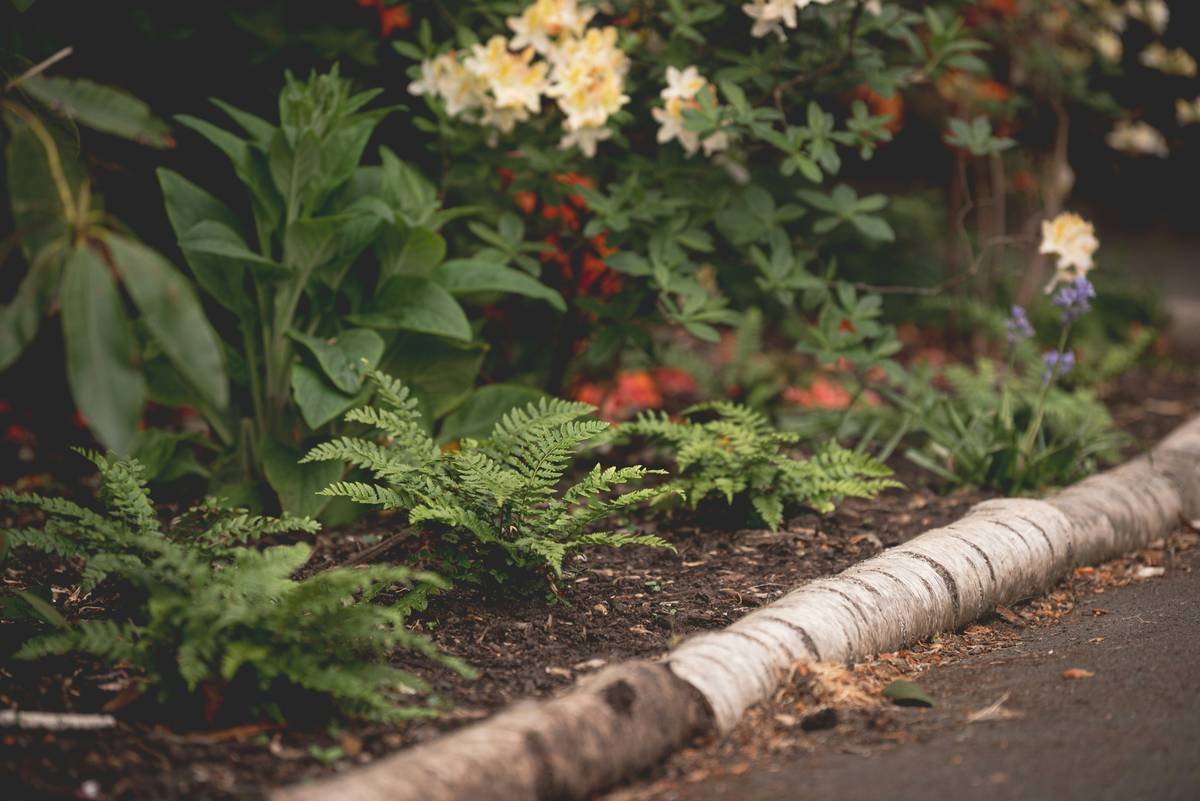
- Never install edging flush with soil. Leave ½–1 inch exposed. This prevents grass runners from sneaking over and keeps mulch contained.
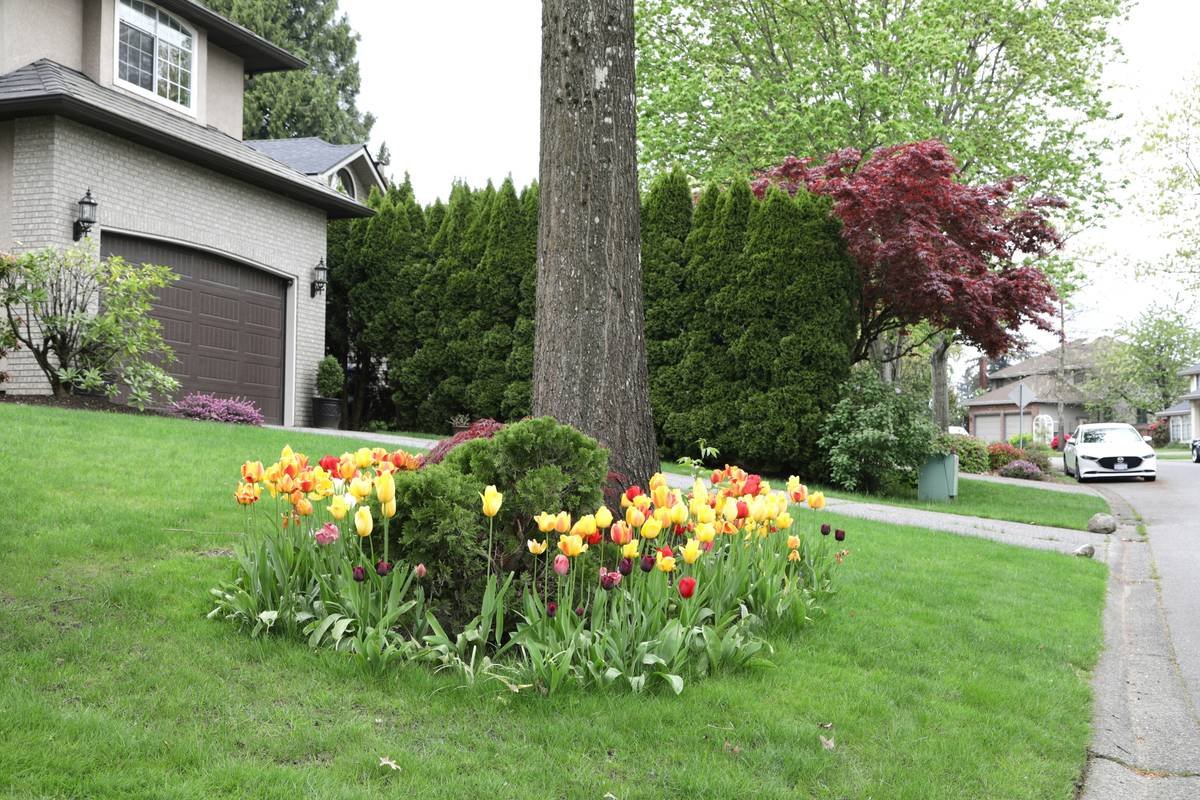
- Avoid “edging islands.” Don’t encircle single shrubs in a sea of lawn—it chops up the space. Group plantings and edge the entire bed as one unit.
- Paint metal edging. A matte black or charcoal finish helps it recede visually. (Use exterior-grade spray paint rated for metal.)
- Lighting doubles as edging. Solar path lights along the edge define boundaries after dark—and boost safety.
The Terrible Tip We All Fall For:
“Use whatever’s cheap and lying around!”—like broken pavers or old bricks haphazardly lined up. In small yards, mismatched or uneven materials scream neglect. Invest in uniformity. It pays off in perceived value.
Rant Time:
Why do big-box stores push those bulky, 6-inch-wide plastic edging rolls for residential use? They’re designed for highway medians! In a 10-foot-wide yard, that’s like wearing snow boots to a ballet recital—completely out of scale. Stop letting manufacturers dictate your aesthetic!
Real Examples: Before & After Small-Yard Edging Transformations
Case Study #1: The Philly Rowhouse Rescue
Client: 12’x18’ front yard, shared walkway, zero privacy.
Problem: Grass bled into gravel path daily.
Solution: Installed 3” tall black powder-coated steel edging in a soft C-curve around a native planting bed.
Result: Gravel stayed put, plants popped, and neighbors asked for contractor info. Perceived yard size increased by ~20% visually.
Case Study #2: Austin Bungalow Beauty
Client: 300-sq-ft sloped yard with erosion issues.
Problem: Mulch washed onto sidewalk after rains.
Solution: Used interlocking recycled composite edging (like EcoBorder) terraced into three shallow levels.
Result: Zero runoff, layered interest, and a yard that looked twice its size thanks to horizontal banding.
FAQs About Edging Designs of Small Front Yard
Can I install edging myself?
Absolutely! Most DIYers complete small-yard edging in 2–4 hours. Just rent or buy a flat shovel or edger tool—don’t try to wing it with a trowel. Safety glasses recommended; rocks hide everywhere.
What’s the cheapest durable option?
Recycled plastic landscape edging (e.g., Vigoro or Emsco brands) runs $0.80–$1.50 per linear foot and lasts 10+ years. Avoid thin vinyl—it cracks in freeze-thaw cycles.
Does edging increase home value?
Indirectly, yes. A study by Virginia Tech found well-defined landscaping can boost perceived home value by up to 12%. Clean edges signal maintenance—key for buyers in competitive markets.
How do I maintain metal edging?
Wipe with vinegar-water solution annually to prevent rust spots. Re-stake if it pops up after heavy rain. Otherwise? Forget it. That’s the beauty.
Conclusion
Edging designs of small front yard aren’t an afterthought—they’re your secret weapon for turning cramped chaos into curated calm. By choosing slim profiles, embracing curves, and matching materials to your home’s soul, you create boundaries that expand perception, not limit it.
Remember my duct-tape tile disaster? Last month, that same client hired me again—for their backyard. Said the new steel edging “made the whole house feel designed.” That’s the power of precision in tight spaces.
Now go measure your frontage, sketch a soft curve, and give your little yard the frame it deserves.
Like a 2000s flip phone, great edging is small, sturdy, and always reliable.
Haiku for the overwhelmed gardener:
Tiny yard, big dreams,
Steel curves hold the green in place—
Curb appeal blooms at last.