Your garden looks messy. Grass creeps into flower beds. Mulch spills onto the lawn. You’ve tried plastic strips—they buckle in summer heat and vanish under soil in two seasons. And those “permanent” metal borders? Rusty, wobbly, or just plain ugly by year three. The truth? Most garden edging materials ideas fail because they ignore drainage, root pressure, and seasonal movement. Here’s how to fix it once—and for all.
Why 90% of Garden Edging Fails Within 18 Months
Plastic. Brick. Stone. Even poured concrete. They all share one fatal flaw: rigidity. Soil expands when wet, contracts when dry—especially in clay-heavy yards. Freeze-thaw cycles heave everything upward in northern climates. Roots push laterally with surprising force. A straight, inflexible border has no give. So it cracks, tilts, or pops out like a loose tooth.
And don’t get me started on cost-per-foot illusions. That $1.50/linear foot recycled plastic strip? It’ll need replacing twice before stone would’ve paid for itself. Durability isn’t optional—it’s arithmetic.
garden edging materials ideas: your step-by-step installation playbook
Start with function, then layer in aesthetics. Dig a trench that’s 4–6 inches deep—not shallow! Slope the outer wall slightly outward (about 10 degrees) so water drains away from your beds. Then choose your material based on real-world performance, not Pinterest pretty shots.
Reclaimed Brick: vintage charm with zero waste
Old bricks absorb moisture without swelling. Stack them dry (no mortar) in a soldier course—standing upright—for maximum resistance to lateral pressure. Bonus: gaps between bricks let excess water escape during heavy rain. Just source from demolition yards; avoid new “antique-look” bricks—they’re often softer and chip easily.
Cor-Ten Steel: industrial strength meets natural patina
This weathering steel forms a rust-like coating that actually protects the core metal. It won’t flake or leach toxins. Install with at least 2/3 buried underground. Pro tip: pre-rust it with vinegar-water spray if you hate the initial orange bleed during early rains.
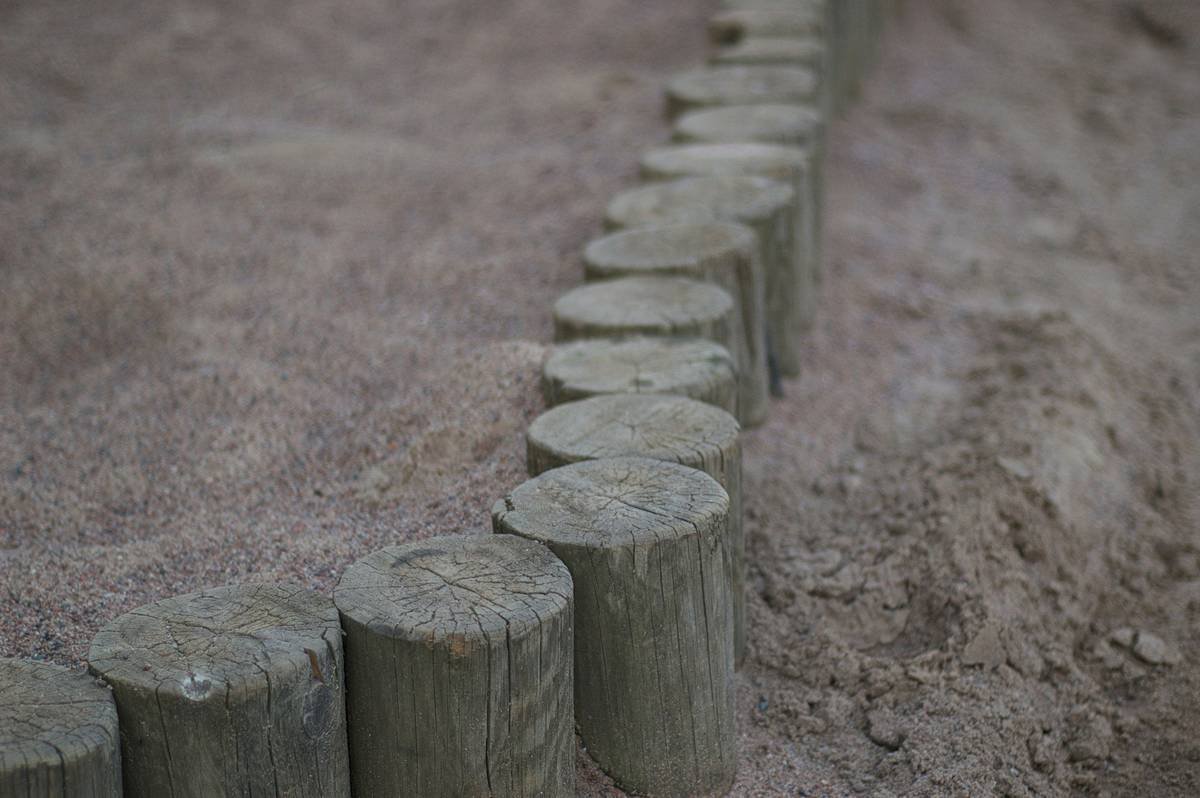
Log Rounds: rustic, renewable, and surprisingly stable
Cut hardwood logs (oak, locust) into 6–8 inch thick rounds. Bury half their height. Over time, they’ll decompose—but slowly enough (5–7 years) to justify the near-zero cost. Ideal for woodland gardens or cottage-style borders where organic decay adds character, not clutter.
| Material | Cost per Linear Foot | Lifespan (Years) | Best For | DIY Difficulty |
|---|---|---|---|---|
| Reclaimed Brick | $2.50–$4.00 | 15+ | Dry climates, formal beds | Moderate |
| Cor-Ten Steel | $6.00–$9.00 | 20+ | Modern landscapes, high-drainage zones | Easy |
| Log Rounds | $0.20–$1.00 | 5–7 | Woodland gardens, temporary beds | Easy |
| Recycled Plastic | $1.00–$2.50 | 2–4 | Rental properties, kids’ play areas | Very Easy |
The Industry Secret No Landscaper Will Tell You
Here’s what the big firms do on million-dollar estates—and never mention in brochures: they double-edge. Yes, two parallel borders spaced 8–12 inches apart. The inner line defines the bed. The outer line acts as a catch barrier for mulch and soil creep. Fill the gap with crushed gravel or low-growing thyme. It costs more upfront—but eliminates 95% of maintenance calls. Homeowners think it’s “just tidy.” In reality, it’s defensive design disguised as decor.
Think about it. One failed edge ruins the whole illusion of care. Two edges? That’s craftsmanship.
FAQ
What’s the cheapest long-term garden edging material?
Reclaimed brick or urbanite (broken concrete). Near-zero material cost if sourced locally, and lasts decades with minimal upkeep.
Can I install garden edging over existing grass?
No. Always remove sod first. Grass rhizomes will tunnel under and resurface inside your beds within months.
How deep should garden edging be buried?
At least 4 inches—6 is better in clay or frost-prone zones. The top edge should sit 1–2 inches above soil to block mulch migration.