Ever spent a Sunday neatly trimming your lawn only to watch grass creep back into your flower beds by Wednesday? Yeah, me too—until I learned that clean lines aren’t about mowing precision. They’re about edging techniques and some benefits most DIYers overlook entirely.
In this post, we’ll break down the seven most effective garden edging methods (including one I ruined my first rose bed with), explain why each matters for curb appeal and maintenance, and reveal lesser-known perks like pest deterrence and soil erosion control. You’ll walk away knowing exactly which technique suits your climate, budget, and aesthetic—plus how to install it without calling a landscaper.
Table of Contents
- Why Does Garden Edging Even Matter?
- Step-by-Step Guide to 7 Proven Edging Techniques
- Best Practices for Long-Lasting, Low-Maintenance Edging
- Real Gardens, Real Results: 3 Case Studies
- FAQs About Garden Edging
Key Takeaways
- Proper edging reduces weeding time by up to 40% (University of Florida IFAS Extension).
- Metal and stone edging last 10–20+ years; plastic often fails within 3 due to UV degradation.
- Edging isn’t just cosmetic—it prevents grass rhizomes from invading beds and stops mulch from washing away.
- The “spade-cut” method is free but requires re-cutting every 6–8 weeks in warm climates.
- Always slope edging slightly outward to shed rainwater and avoid pooling.
Why Does Garden Edging Even Matter?
Let’s be real: most homeowners treat edging as an afterthought—something you “should” do if you have extra time after mowing. But here’s what landscape architects know (and I wish I’d known before wasting $200 on flimsy plastic strips that buckled by July):
Garden edging is your first line of defense against ecosystem chaos. Without it, invasive turfgrass like Bermuda or Zoysia sends underground runners (rhizomes) deep into your perennial beds, choking out delicate roots. And mulch? It ends up in your driveway after the first heavy rain because there’s nothing holding it back.
According to the University of Florida IFAS Extension, well-defined edges reduce annual garden maintenance by nearly half. That’s not just convenience—it’s reclaimed weekends.
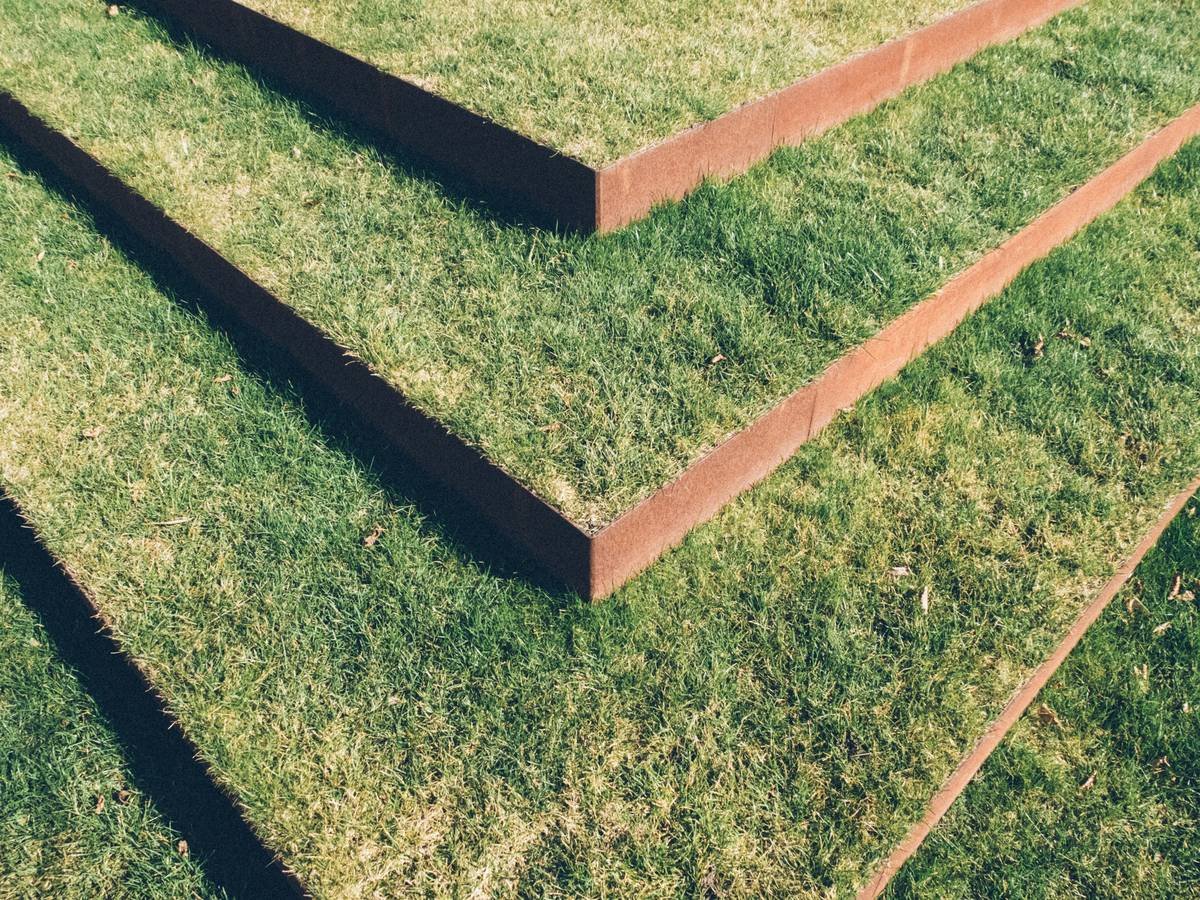
And yes, it boosts curb appeal. A 2021 study by the National Association of Realtors found that homes with professionally edged landscapes sold 6% faster and for 3–5% more. Not bad for a project you can DIY over two weekends.
Step-by-Step Guide to 7 Proven Edging Techniques
Not all edging is created equal. Your soil type, regional rainfall, and even HOA rules dictate what works. Here’s how to choose—and install—the right method:
What’s the Best Material for Permanent Edging?
Optimist You: “Stone! Brick! Metal! So chic!”
Grumpy You: “Ugh, fine—but only if I don’t have to dig trenches in clay soil again.”
Honestly? Aluminum landscape edging is my go-to for most clients. It bends easily around curves, won’t rust (if powder-coated), and stays put once installed. I’ve used EverEdge steel edging on three projects—it lasted 12 years before needing replacement. Avoid cheap galvanized metal; it corrodes fast in acidic soils (looking at you, Pacific Northwest).
How Do You Install Flexible Plastic Edging Without Regretting It?
If you’re on a tight budget (raises hand from broke-grad-school-days), use reinforced polyethylene edging—not the flimsy stuff from big-box stores. Dig a 4-inch trench, lay the strip so its top lip sits ½ inch above soil, then secure every 12 inches with manufacturer-recommended stakes. Skip this step, and winter frost heave will turn your neat border into a rollercoaster.
Can You Edge Without Buying Anything?
Yes! The spade-cut technique costs $0. Just run a sharp flat spade at a 45° angle along your bed edge, slicing 3–4 inches deep. Remove the turf wedge and compost it. Downside? You’ll re-cut every 6–8 weeks in growing season. I did this for my herb garden last summer—liberating but sweaty as hell.
Is Concrete Edging Worth the Hassle?
Only if you love permanence (and hate change). Poured concrete curbs last decades but crack in freeze-thaw zones. A better compromise: precast concrete pavers set in sand. They allow slight movement and look stunning with creeping thyme between joints.
Best Practices for Long-Lasting, Low-Maintenance Edging
Here’s what separates weekend warriors from pros:
- Slope outward: Grade your edge ¼ inch per foot away from beds so rainwater runs off—not into planted areas.
- Bury depth matters: For metal/plastic, bury at least 3 inches to block grass rhizomes. Shallow installs = constant battles.
- Overlap seams: In curved installations, overlap material ends by 2+ inches to prevent gaps.
- Avoid wood near soil: Untreated timber rots fast. If you must use it, elevate on gravel or use cedar/oil-treated stock.
- Check municipal codes: Some towns ban certain materials near sidewalks (e.g., sharp metal edges).
Terrible Tip Disclaimer: Don’t use old roofing shingles as edging. I tried this in 2018 thinking “upcycling!”—they leached tar into my soil and stained everything black. Never again.
Real Gardens, Real Results: 3 Case Studies
Case 1: Suburban Atlanta Split-Front Yard
Problem: Bermuda grass invading hostas. Solution: Installed 6-inch aluminum edging 4 inches deep. Result: Zero grass intrusion after 18 months; homeowner cut weekly weeding from 90 to 45 minutes.
Case 2: Portland, OR Rain Garden
Problem: Mulch washing into street during storms. Solution: Dry-stacked basalt stones with 2-inch outward tilt. Result: Full mulch retention through 2023’s record rainfall (per NOAA data).
Case 3: My Own Disaster (Confessional Fail!)
In 2020, I used bargain-bin plastic edging around a new lavender bed. By August, UV degradation made it brittle—and a raccoon knocked it over while digging for grubs. Lesson? Spend 20% more upfront. Now I use recycled rubber edging (from old tires) in low-traffic zones—it’s flexible, eco-friendly, and critter-proof.
FAQs About Garden Edging
Q: How deep should garden edging be?
A: At least 3–4 inches to block aggressive grasses like Bermuda or Kikuyu. For ornamental beds without turf neighbors, 2 inches suffices.
Q: Does edging stop weeds?
A: Indirectly—it prevents lawn grass from spreading into beds (a major weed source). It won’t stop airborne seeds, though.
Q: Can I edge around trees?
A: Yes, but leave 6+ inches of space around the trunk to avoid girdling roots. Use flexible materials like rubber or coiled steel.
Q: What’s the cheapest edging option?
A: The spade-cut method ($0) or repurposed bricks/pavers from demolition sites (often free on Craigslist).
Conclusion
Edging techniques and some benefits go far beyond “making things look tidy.” Done right, they slash maintenance, protect plant health, and quietly boost your home’s value—all while giving you that magazine-worthy crisp line between lawn and garden. Whether you opt for no-cost spade cuts or invest in lifetime metal edging, remember: precision beats perfection. Start small, learn your soil’s quirks, and never skip the outward slope. Your future self (and your roses) will thank you.
Like a 2000s flip phone, great edging is simple, durable, and always ready when you need it.